
I bought my first NFC crypto card because I wanted something small, simple, and offline-ish. It felt almost retro—like carrying a credit card that holds a crypto key. My instinct said “this could be the neatest thing,” and after some hands-on use I can tell you: it mostly is, but with caveats.
Cold storage is easy to misunderstand. Short version: cold storage means keeping private keys away from online devices. Tangem-style cards generate and hold keys inside a secure element on the card, and the keys never leave. That design trades the familiar seed-phrase model for a physical-token model. It’s tidy. It also changes your backup and recovery thinking.
How Tangem’s card model works in practice: you tap the card to your phone (or other NFC-capable device) using the Tangem app or compatible wallets. The app sends a transaction hash to the card. The card signs it internally and returns a signature. Your private key stays sealed. That workflow preserves a lot of security properties of cold storage while keeping day-to-day use friction low.
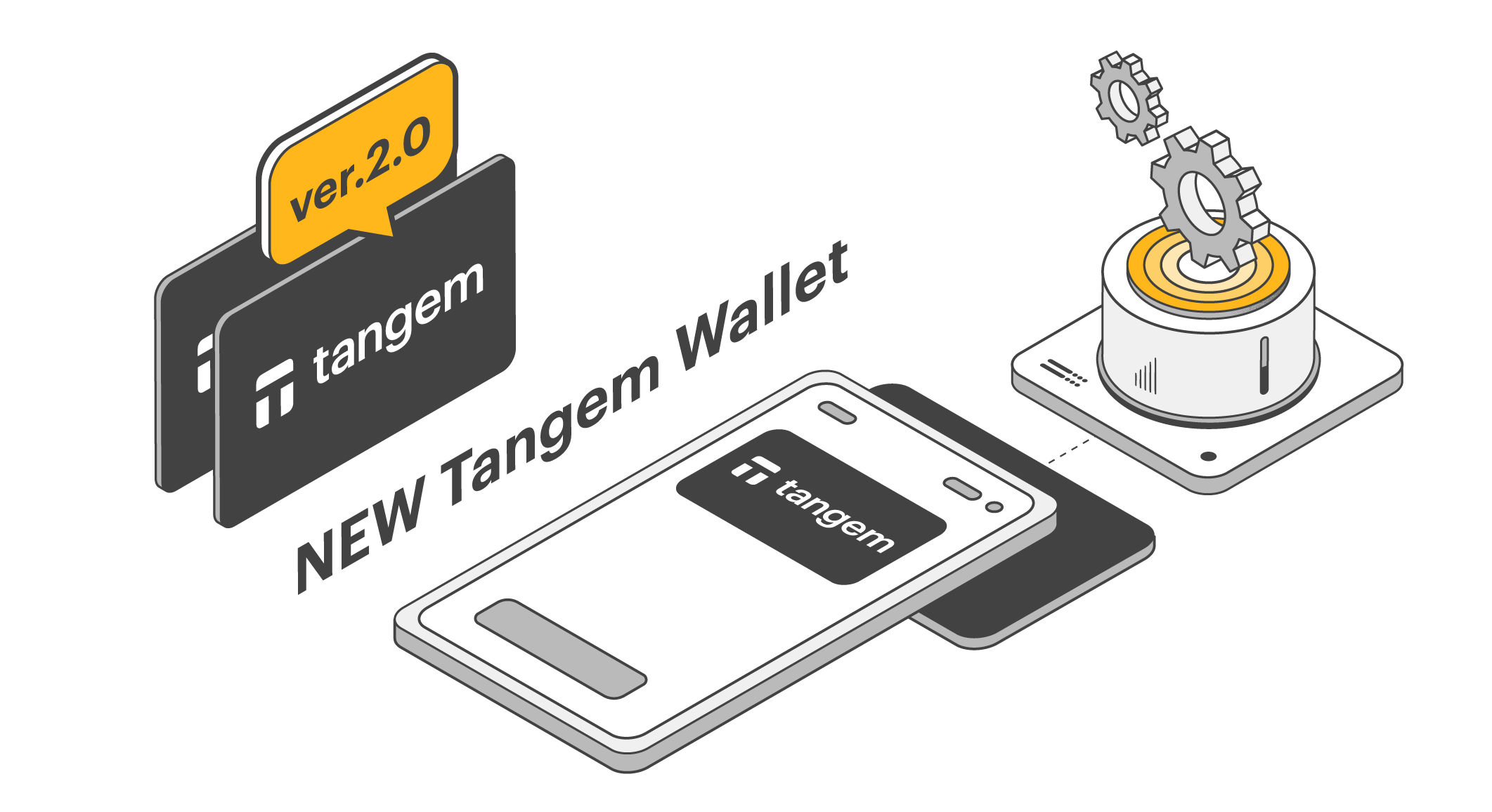
What cold storage with a Tangem-style card protects you from
This setup is great against remote attackers. Malware on a PC or phone can’t extract the private key because it never leaves the card. Phishing that tricks you into sending funds to the wrong address is still a risk, of course—because the card will sign whatever you send it unless you verify the transaction details in the app. So, checks and balances still matter.
Practically speaking, Tangem cards reduce these threats:
- Key-extraction by remote attackers—very unlikely.
- Supply-chain attacks that tamper with your seed phrase—less relevant because there is no exportable seed phrase.
- Typical hot-wallet compromise via mobile app vulnerabilities—mitigated.
Trade-offs — because there are always trade-offs
Okay, so check this out—Tangem cards emphasize convenience and physical security, but they have trade-offs compared with traditional seed-based hardware wallets. For example, if you lose your single card and you didn’t set up a backup plan, recovery may be difficult or impossible. That’s not a criticism so much as a design fact. Your backup plan needs to be physical and deliberate.
Here are the trade-offs to weigh:
- Convenience vs. recoverability: no seed phrase means simpler day-to-day use, but you must create a reliable physical backup strategy.
- Single-point-of-failure: a single card is a single physical object—store it like cash or jewelry.
- Phone dependency for signing: the card is offline, but you still need an NFC-capable device to initiate signatures.
Practical setup and best practices
Buy from official channels. Counterfeit hardware exists. If you get a Tangem card (or similar), order from reputable resellers or directly from the vendor. Verify packaging and tamper evidence; it matters.
When you initialize a card, treat the process as you would any wallet setup:
- Test with small amounts first. Seriously—send a tiny amount to confirm everything works.
- Create deliberate backups. Tangem supports models and workflows that allow using backup cards or multiple card strategies—plan those out and store backups separately in secure locations like a safe or deposit box.
- Document recovery steps offline. Keep clear instructions with your trusted person (if applicable), and avoid storing recovery instructions on cloud services or email.
- Keep your card physically secure. It’s a tiny object; losing it is the most common human error.
- Use multisig for larger holdings. If you’re protecting meaningful amounts, combining Tangem cards with a multisig setup or using multiple cards as separate keys can dramatically lower risk.
Device compatibility and UX notes
Most modern Android phones with NFC work well. Recent iPhones support NFC interactions through apps, though the experience can depend on OS version and app implementation. If you live in the US and use an older phone, double-check compatibility before you commit funds.
The Tangem app serves as the bridge, presenting addresses and transaction details. Always verify addresses and amounts in the app carefully. A signed transaction is irreversible.
Threat model addendum — what it doesn’t protect
Physical theft of your card is the obvious threat. If an attacker gets the card and your phone or PIN (if you use one), they could move funds. Similarly, social-engineering attacks where someone convinces you to sign a malicious transaction are still possible. Cold storage reduces some risks but doesn’t eliminate all human error.
If you need recoverability comparable to seed phrases, plan a multi-card or multisig approach—and consider professional custodial services or a safety deposit option for very large holdings.
Where to learn more
For an accessible walkthrough of the Tangem card approach and the app workflow, see this resource: https://sites.google.com/cryptowalletextensionus.com/tangem-wallet/ It covers setup basics and links to compatibility notes—handy if you want a quick refresher before buying or deploying cards for family or clients.
Final practical advice: I’m biased toward simplicity, but I’m also pragmatic. Use a Tangem-style card for everyday cold storage and small-to-medium holdings, but don’t treat it like an automatic replacement for a well-thought-out backup and recovery plan. Test your process. Document it. And if something bugs you about a workflow, change it—your security should fit your habits, not the other way around.
FAQ
Is a Tangem card truly “cold” storage?
Functionally yes—the private key is generated and stored on the card and never leaves it. But you still need an NFC device to communicate with the card to sign transactions, so it’s not air-gapped in the strictest sense.
What happens if I lose my card?
If you lose the only card that controls funds and you don’t have a backup strategy, recovery is likely impossible. Plan for physical backups or multisig to avoid single-point failures.
Can I use Tangem cards for many cryptocurrencies?
Tangem and compatible wallets support multiple chains, but support varies by model and wallet implementation. Check compatibility for the specific assets you hold before relying on a single card.
Comments are closed